The Treaty of Versailles stipulates that the German Empire and its allies bear sole responsibility for the First World War, which ended in 1918. It also obliges the German Empire to surrender all its colonies.
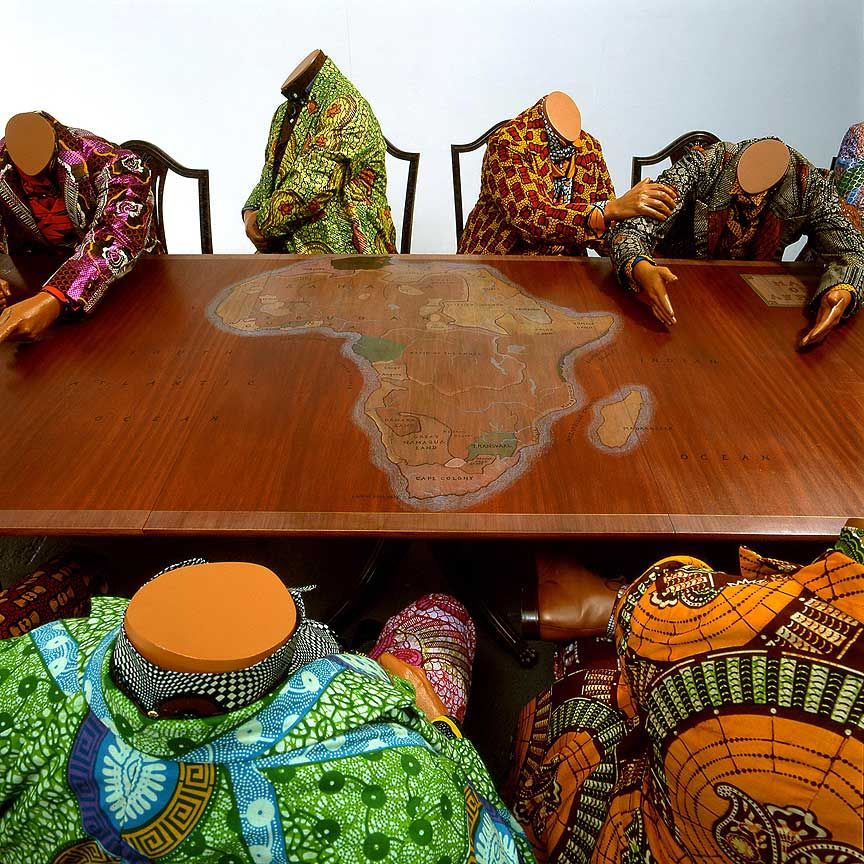
Signed on June 28, 1919, and coming into force on January 10, 1920, the Treaty of Versailles stipulates not only the sole guilt of the German Empire and its allies for the outbreak of World War I, but also reparations payments and territorial cessions. The German Empire had to cede all its colonies, including German South West Africa (now Namibia), German East Africa (now Tanzania, Burundi, Rwanda, and part of Mozambique), Cameroon, and Togo to the victorious powers. German South West Africa was declared a League of Nations mandate and placed under the administration of the Union of South Africa. Belgium is granted mandates over Burundi and Rwanda, and Great Britain is granted a mandate over Tanganyika (the territory of Tanzania without Zanzibar). France receives mandates over Cameroon and East Togo. As at the Berlin Conference in 1884, African countries and their citizens are simply divided up between the European colonial powers (see Berlin Conference, 1884).
With the exception of German South West Africa, all German settlers were subsequently forced to leave the colonies. Prior to this, in March 1919, the National Assembly had already protested against the impending cession of the colonies: 414 votes to seven demanded the “reinstatement of Germany's colonial rights.” Demands of this kind continued into the 1940s. Above all, colonial racist images and prejudices remained in politics, the media, and the population even after the end of German colonialism. This is illustrated, for example, by the racist campaign against the colonial soldiers of the Rhine occupation (see Occupation of the Rhineland, 1919) or the discrimination against Black people during the Nazi era (see Black people in Nazi Germany, 1936-1945).
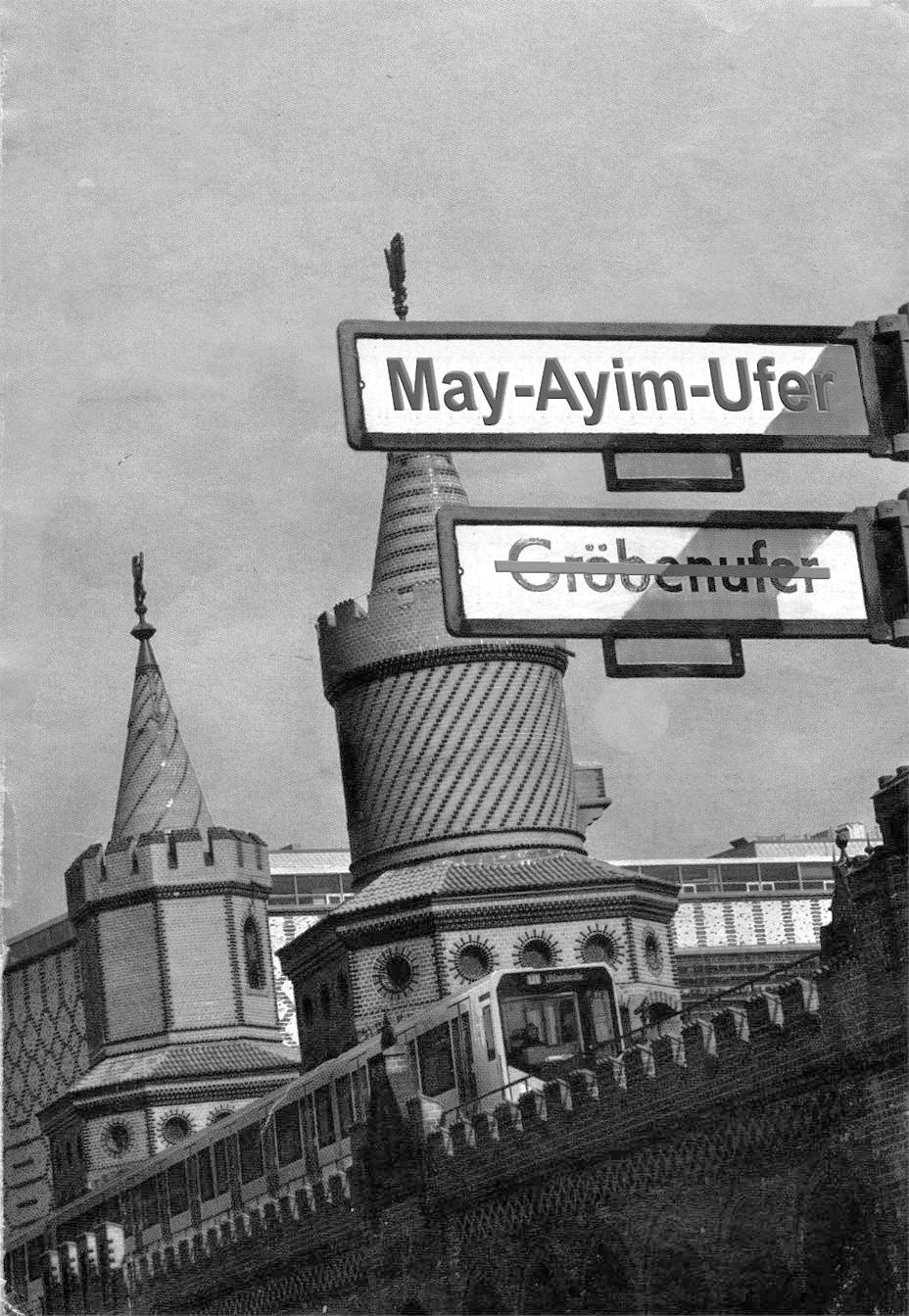
But even today, many colonial structures and traces remain in politics, the media, language, films, books, and the urban landscape. Activist groups are continuously fighting for public recognition and visibility of Germany's colonial past and for combating colonial continuities in the present (see decolonial memory politics, 2010; Children's Book Debate, 2012). As early as 1924, an anti-colonial movement emerged in which Black people began to fight together against ongoing colonial oppression by Europe (see League Against Colonial Oppression, 1926).




 William Orpen - Imperial War Museum Collections