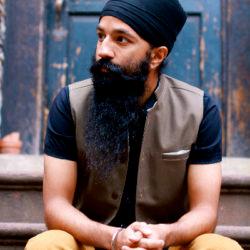
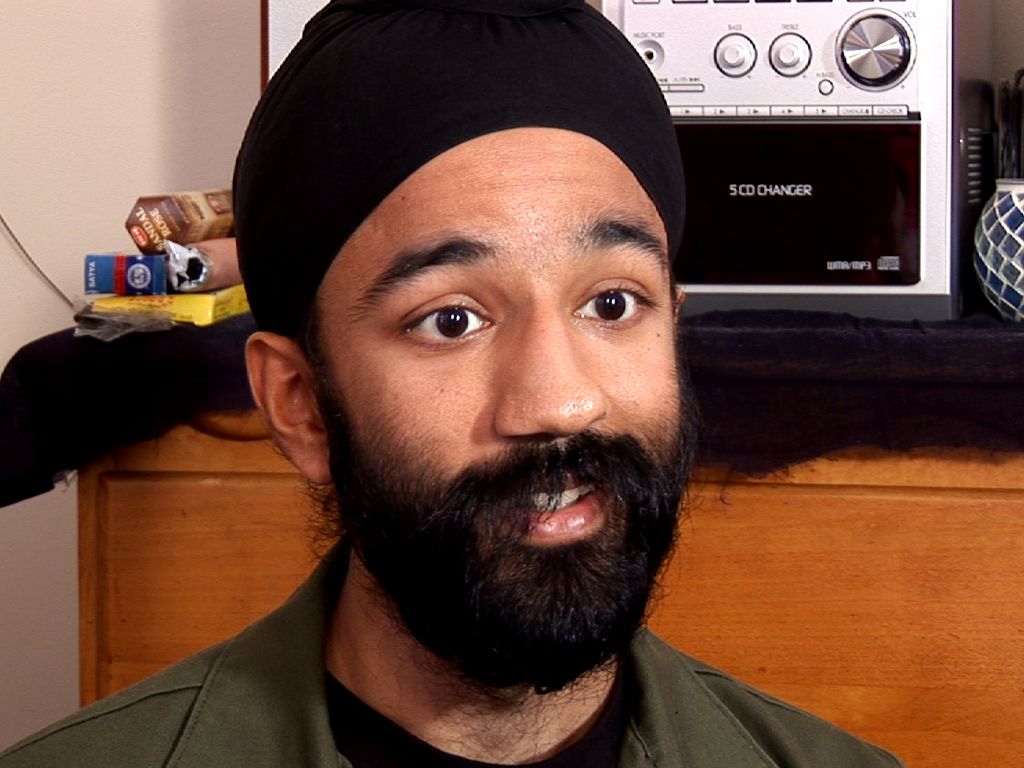
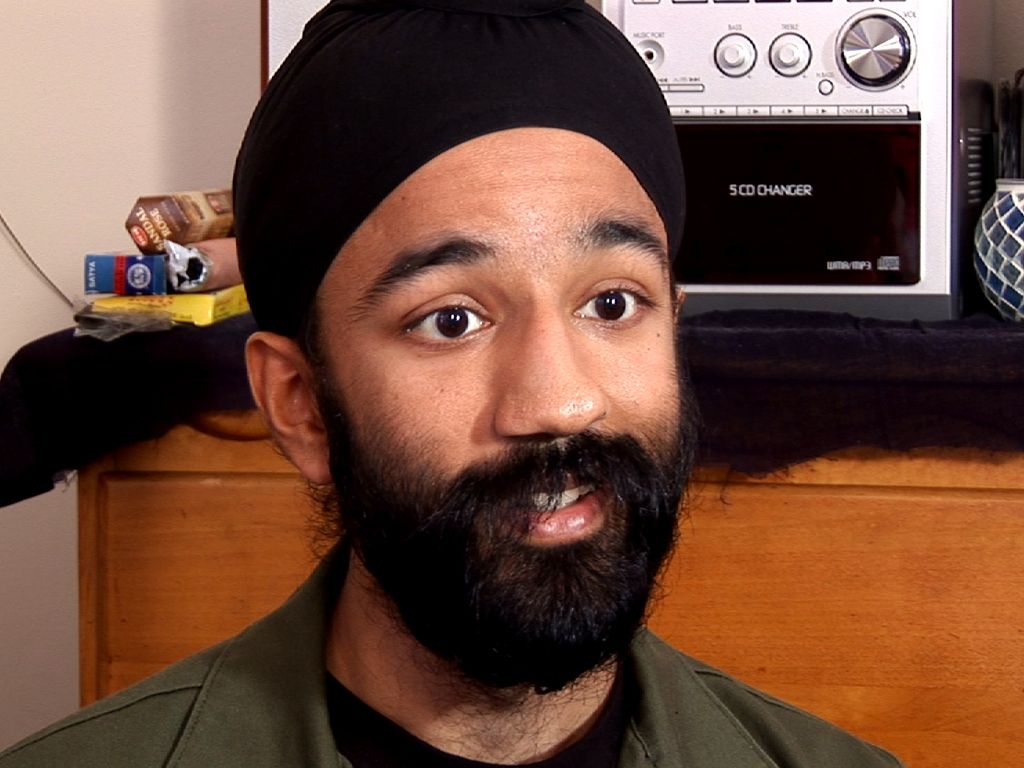
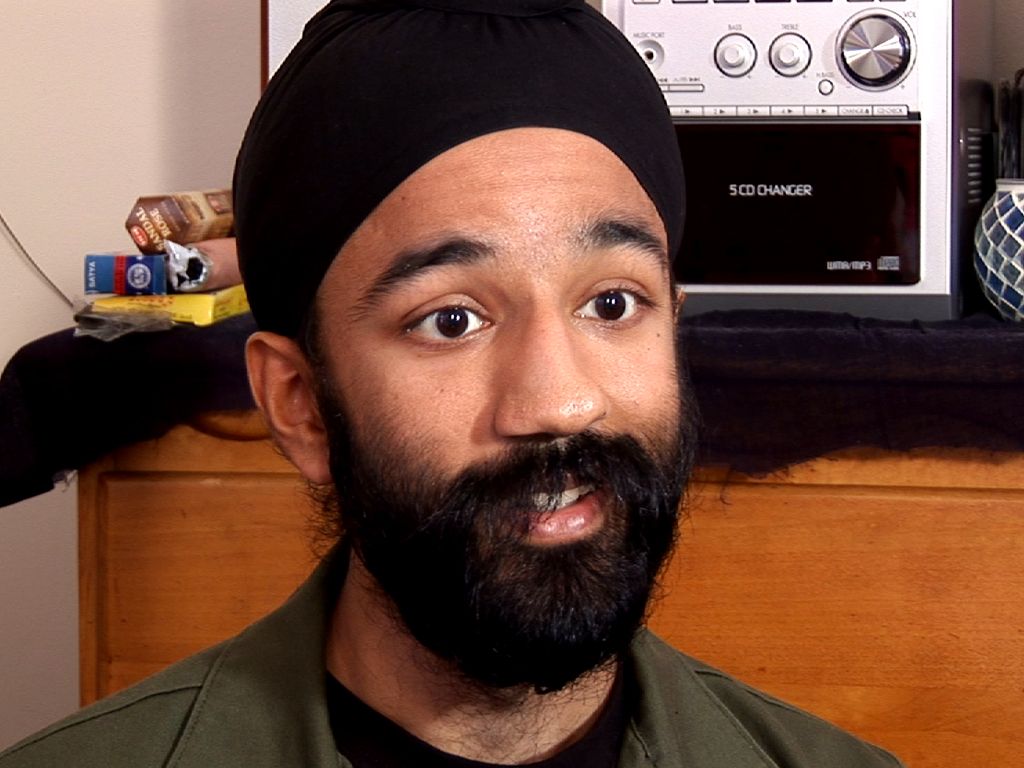
I was living four blocks away from the Twin Towers on 9/11/01. That day was devastating; not one of us who witnessed the destruction will ever be the same. And yet, it has been heartbreaking to see our suffering in NYC used as an excuse to violently target Muslims and Arabs, as well as people perceived to be Muslim, such as Sikhs and Hindus. This violence has not only targeted people abroad, but also hundreds of thousands of American adults and young people. Sikh Americans have been among the most vulnerable in this post-9/11 era because of their turbans – a religiously mandated article of faith. In fact, Sikhism is the only religion that mandates its followers to wear a turban. There have been numerous deadly hate crimes against Sikh Americans since 9/11, and many Sikh youth and adults experience daily harassment. Much of this fear and hatred has been fueled by mainstream media representation. When I met Sonny, I felt that his story demanded to be told. As a media-maker, I had an opportunity to create a counter-narrative. I was moved by his willingness to share difficult stories about how racism, xenophobia, and Islamophobia impact him in intimate ways every day. But more importantly, I was inspired by how he had turned this hardship into a motivation to fight for social justice for all people. It was an honor to be able to document Sonny and his communities. I was welcomed with incredible warmth, and inspired by the Sikh traditions of seeing the Divine in all people and fighting for equality.